Why Laminated Small Flute Is Smart Specialty Packaging
Posted by Oliver Inc. on 6th Oct 2026
Brands that want a premium box at a lower cost should consider laminated small flute, one of several specialty packaging options that pairs a printed paper surface with a thin corrugated layer. The result is a sturdy, finished box. It costs less to produce than a rigid box, ships flat, and helps protect the product, which makes it a practical choice for beauty, fragrance, and consumer electronics brands. Below, we compare the two formats.
Compare the Total Cost of Rigid Specialty Packaging
A rigid setup box starts as thick chipboard. The manufacturer cuts the board, forms it into a lid and base, and wraps it in printed paper, and each of those steps adds material and labor, so rigid boxes usually cost more per unit than laminated small flute. Most rigid boxes also ship fully assembled, which means an empty order of specialty packaging takes up the same truck and warehouse space as a full one. Freight and storage then add to the bill. Before you compare quotes, add production, shipping, and storage together, because a low unit price can still lead to a high total once you count the full landed cost.
Learn How Laminated Small Flute Specialty Packaging Works
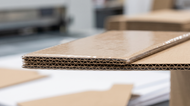
Laminated small flute combines paperboard and corrugated board in one structure. The manufacturer laminates a printed sheet to a thin corrugated board, usually E or F flute, then die cuts and glues it into a box blank. The fluted core adds stiffness and cushioning. Because the blank folds along score lines, this type of specialty packaging can ship flat, and your team folds it into shape at packing time. We print, laminate, die cut, and glue fluted packaging in our own facilities, and the printed sheet can carry custom packaging finishes such as specialty coatings and foil. The box can also include printed interiors and fitted inserts.
Choose Rigid Boxes for Heavy and Keepsake Products
Rigid boxes still make sense for some products. Heavy items such as glass fragrance bottles, candle sets, and devices with chargers and accessories need the support that thick chipboard walls provide during shipping and on the shelf. Customers often keep rigid boxes for storage. Keepsake and gift packaging benefits from that reuse. Hinged lids and magnetic closures also work best on rigid construction. For high price products, the weight of a rigid box helps the packaging match the price, and our post on fragrance packaging explains how weight and construction affect the way shoppers judge a perfume before they open it. The extra material and freight usually pay off here.
Choose Laminated Small Flute for Shipping and Volume
Laminated small flute suits online sales and large production runs. It also helps brands hit a lower unit cost. The fluted layer adds cushioning, and the box can serve as both retail packaging and a protective outer package, depending on the product and how it ships. Consumer electronics brands can use one box for both shelf display and transit protection, and beauty brands launching a full collection can give every SKU luxury packaging cues without paying rigid box prices. A printed interior and a fitted insert can still create a strong unboxing experience, as long as you match each insert to the product's weight and fragility so items do not move around inside the box.
Use Both Formats in One Product Line
A product line can use both structures. Many brands put a hero product or holiday gift set in a rigid box and use laminated small flute for the everyday items in the same line. The higher cost lands where shoppers notice it. Both formats can share colors, artwork, and finishes. Oliver produces both rigid boxes and laminated small flute, and we print both from the same artwork files, which helps keep your brand packaging and packaging design consistent across every box in the line.
Check the Materials and Recyclability
Both formats use mostly paper and board. Ask your supplier which board grades they use, whether they offer recycled content, and which forest certifications apply to the structure you choose before you request a quote. Our sustainability practices, for example, include FSC and SFI certified board and post consumer recycled paperboard, so you can ask about those options for either structure. Flat shipping can also reduce the truck and warehouse space your order uses, and that savings belongs in any comparison of sustainable packaging solutions from different suppliers. Magnets, plastic trays, and plastic film laminations can make a box harder to recycle, so review each component with your supplier before you approve the design.
Compare Specialty Packaging Samples Before You Order
Ask for a sample of each structure with your artwork on it, and have the people who approve the budget hold, open, and close both boxes. Check how each box feels, how the lid or flap fits, how well the insert holds the product, and how the finishes look under store lighting. Plan for sample review in your launch timeline so the decision does not hold up production, and we can produce samples of both structures with your artwork for that review.
Rigid boxes remain the better fit for heavy, keepsake, and high price products, and laminated small flute gives most other products a finished look at a lower cost. Compare samples and landed costs before you choose your specialty packaging.