Why Specialty Packaging Turned Unboxing Into Part of the Product
Posted by Oliver Inc. on 18th May 2026
A customer orders skincare online, someone else grabs limited-release sneakers, and another picks up candles for a birthday gift, and despite the different products and buyers, they all stop for the same reason once the package arrives.
People don’t rip boxes open immediately anymore. Phones come out first. Cameras start rolling before the tape even lifts because customers want to capture the tissue paper unfolding, the layered inserts, the first flash of color inside the box, and the feeling of discovering the product piece by piece.
That behavior changed how brands approach specialty packaging. The product still matters, but the packaging now carries part of the emotional experience too, pushing companies toward stronger brand packaging strategy decisions, better materials, and custom packaging solutions that feel deliberate from the moment the shipment lands at someone’s door.
How Specialty Packaging Became Camera Friendly Overnight
Social platforms changed product presentation far faster than many brands anticipated, especially TikTok, where short-form videos reward movement, texture, surprise, and visible reaction almost instantly. People scroll fast online. Brands only get a few seconds to interrupt that momentum, and packaging now plays a huge role in grabbing attention before someone keeps moving.
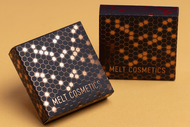
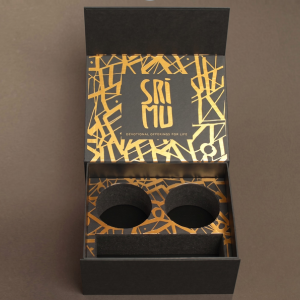
A matte-black setup box opening onto crisp tissue paper immediately pulls viewers in, while foil details, embossed logos, layered inserts, pull tabs, and custom compartments create a satisfying movement that keeps people watching longer. Those extra few seconds carry real value online, which is why specialty packaging now gets developed with phones and cameras in mind from the start.
Brands think carefully about lighting reflection, reveal order, opening flow, hand placement, and even sound during development because the snap of a magnetic closure or the drag of thick paper against rigid board adds to the sensory experience. Many premium companies now storyboard packaging in the same way they plan commercials. The emotional reaction often starts before customers even touch the product itself.
Why the Packaging Unboxing Experience Feels Personal to Consumers
People remember experiences that feel intentional, and packaging creates that impression fast because it engages multiple senses at once. Texture registers immediately. Weight changes perception too, while layered reveals build anticipation because people naturally respond to progression and discovery.
That’s why luxury packaging design keeps leaning into tactile details and carefully structured presentation. Disposable packaging fades from memory fast, but thoughtful components and arranged layers leave a stronger impression. Consumers connect thoughtful presentation with care, quality, and credibility, so even small details like wrapped products, rigid inserts, or organized compartments make items feel curated rather than mass-produced.
The emotional side carries more influence than many companies expect. Someone ordering skincare after a difficult week wants a sense of comfort before opening the jar, while a jewelry buyer wants excitement before seeing the necklace itself. Collectors purchasing limited-edition merchandise often want packaging that feels worth keeping. Many even display the box long after the product itself comes out.
Specialty packaging helps brands create those emotional cues naturally, and people tend to remember how products made them feel during opening moments, especially when the experience feels polished from beginning to end.
Specialty Packaging Created a New Form of Free Marketing
Consumers advertise brands' products every day through unboxing videos, Instagram stories, review clips, and haul content, and companies quickly adapted their custom packaging solutions to that behavior. Packaging designed for user-generated content often features strong visual contrast, layered presentation, recognizable color palettes, and camera-friendly details that look satisfying on camera.
Many brands also add QR codes, collectible artwork, inserts, or hidden messages because those details keep people engaged longer and encourage them to continue recording. The rise of phone cameras has dramatically changed packaging priorities, as premium product packaging now competes online just as heavily as it does on retail shelves.
Thousands of potential customers may watch someone interact with a product before deciding to purchase it themselves, which allows a well-designed package to spread across TikTok, Reddit, Instagram, YouTube Shorts, and Pinterest within hours. Those real-world reactions often feel more trustworthy than polished advertisements.
Over time, the packaging itself becomes part of the content people came to watch.
The Rise of Layered Reveals and Engineered Anticipation
Brands learned this quickly from gaming, entertainment, and subscription culture: people genuinely enjoy gradual reveals. Packaging that builds anticipation one layer at a time keeps people engaged far longer. Opening separate compartments, uncovering hidden extras, and pulling back structured layers keeps attention focused longer because the experience creates natural momentum from beginning to end.
That behavior pushed innovative packaging solutions into more intentional territory. Many companies now carefully engineer the entire unboxing sequence so customers encounter one message first, then another visual layer, followed by the product itself and secondary accessories tucked underneath. Each stage extends engagement and shapes perception before the product even gets used.
Apple helped popularize this approach years ago through controlled opening mechanics and clean structural presentation, and cosmetic brands, luxury fashion companies, tech manufacturers, and food brands quickly followed. Consumers now expect progression during unboxing, which influences everything from ribbon pulls and magnetic closures to insert placement and compartment structure since packaging teams think carefully about pacing throughout the entire reveal experience.
Why Sustainable Packaging Materials Became Part of the Experience Too
Consumers pay much closer attention to packaging materials now. They immediately notice excessive plastic, flimsy trays, cheap inserts, and a presentation that feels unnecessarily wasteful. That awareness pushed specialty packaging in a different direction across multiple industries as brands increasingly rely on sustainable packaging materials that support both premium presentation and environmental responsibility.
Recycled paperboard, molded fiber inserts, soy-based inks, reusable rigid boxes, and responsibly sourced substrates all contribute to stronger brand perception while also influencing texture and visual tone. Natural fibers, soft matte finishes, kraft elements, and minimal printing styles create warmth that many consumers perceive as more authentic than heavily glossy packaging, and those materials also photograph well online, which naturally supports social sharing.
People respond strongly to packaging that feels responsible while still looking refined, especially in beauty, wellness, cannabis, food, and luxury retail markets where customers often connect presentation choices directly to brand values.
Brand Packaging Strategy Now Starts Earlier Than Ever
Packaging used to appear near the end of product development, but companies now bring it into discussions much earlier because presentation heavily influences consumer behavior across retail, e-commerce, and social media. A strong brand packaging strategy must balance shelf visibility, shipping durability, emotional response, customer retention, and online engagement simultaneously, requiring closer collaboration among structural designers, marketers, production teams, and brand directors.
Some brands even build entire launch campaigns around bespoke packaging before revealing the actual product, using teaser images that focus on textures, silhouettes, foil details, or layered components because curiosity performs well online. That approach especially dominates limited-edition releases where collectors want packaging that feels exclusive, gift buyers want presentation that feels complete, and subscription brands rely on recognizable consistency every time a delivery arrives at someone’s door.
Specialty packaging helps brands maintain those expectations across retail, e-commerce, and social media. Over time, the box itself starts becoming part of the identity people remember long after the purchase.
Specialty Packaging Changed What Consumers Expect From Brands
Consumers adapted quickly to higher presentation standards. Once people experience thoughtful packaging consistently, generic packaging starts feeling forgettable fast. That doesn’t mean every product needs oversized rigid boxes or expensive decorative finishes, but customers absolutely notice intention now. They pay attention when packaging feels cohesive, when inserts fit properly, when colors align with branding, and when structures open smoothly with materials that feel substantial in hand.
Those details shape perception long before product performance even enters the conversation, which is why strong brands understand that modern consumers often buy experiences alongside the products themselves. Specialty packaging supports that reality every time someone lifts a lid, peels back tissue paper, scans a QR code, or records an unboxing video for thousands of viewers online.
Years ago, packaging simply introduced the product. Today, specialty packaging often becomes part of the product people remember most.