Cosmetic Packaging That Makes Perfume Feel Expensive Before the First Spray
Posted by Oliver Inc. on 21st May 2026
Perfume buying has always been emotional. People notice the bottle first, then the box, then the textures, colors, weight, and details sitting in their hands before they ever smell the fragrance itself. That first interaction shapes expectations immediately, which explains why cosmetic packaging carries so much influence inside the beauty industry.
A beautifully designed perfume box tells customers what kind of experience they’re about to have. Premium finishes create anticipation. Thoughtful structure protects fragile glass bottles. Sustainable choices influence how modern shoppers feel about the brand behind the fragrance. Even small details like magnetic closures, embossing, foil stamping, and rigid construction affect how valuable the product feels sitting on a shelf or inside an online order.
Perfume brands understand this deeply because fragrance relies heavily on presentation. A customer cannot smell a perfume through a screen while shopping online. The packaging has to communicate elegance, quality, mood, and personality before the fragrance ever reaches the skin.
Cosmetic Packaging That Makes Perfume Shelves Feel Intentional
Perfume shelves rarely look accidental. Luxury fragrance brands spend enormous time refining proportions, finishes, textures, and structural details because beauty product packaging heavily influences purchasing decisions.
A customer browsing in-store often compares products visually before reading ingredient lists or fragrance notes. Packaging becomes part of the decision-making process immediately. Thick rigid boxes, metallic details, velvet-touch coatings, soft matte laminations, and custom inserts create a stronger emotional response than flimsy folding cartons with weak printing quality.
That reaction grows even stronger online where customers rely entirely on visuals during the shopping experience. The unboxing effect in beauty products became one of the strongest drivers of social sharing because customers genuinely enjoy revealing products that feel polished and thoughtfully presented. Strong packaging photographs well, films well, and gives influencers something visually satisfying to feature during reviews and tutorials.
Perfume brands also benefit from structural consistency. Collections that share a recognizable design language often look more premium when displayed together. Coordinated typography, cohesive finishes, custom trays, and matching box styles help customers associate the fragrance line with sophistication and reliability.
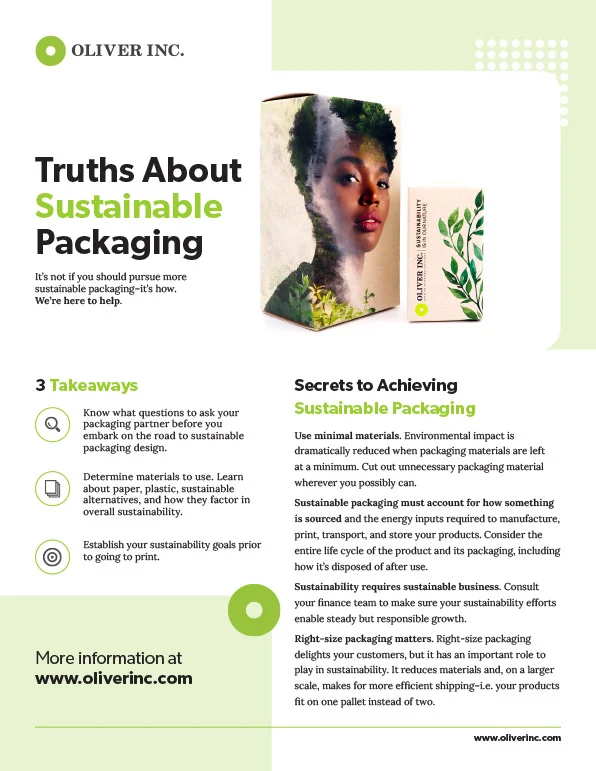
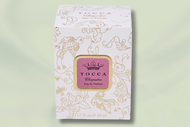
The screenshots above show this clearly. Bright gradients, metallic effects, clean typography, specialty coatings, windowing, and embossed details immediately communicate luxury cosmetic packaging before a customer even reads the description. The packaging itself creates desire.
Sustainable Cosmetic Packaging That Still Feels Luxurious
Sustainability conversations continue shaping modern cosmetic packaging design because customers now pay attention to how products are made, shipped, and discarded after purchase. Perfume brands, in particular, face pressure to balance aesthetics with responsible production choices.
Sustainable cosmetic packaging looks far more polished now than it did several years ago. Recycled paperboard, FSC-certified materials, soy-based inks, molded pulp inserts, and recyclable rigid boxes now give perfume brands cleaner presentation options without sacrificing durability.
Minimalism also plays a major role here. Many modern perfume brands lean into cleaner layouts, fewer plastic components, and textured paper finishes that naturally feel premium without excessive embellishment. A carefully chosen uncoated stock, paired with embossing or foil, can feel far more refined than glossy, overdesigned packaging.
Eco-friendly packaging for cosmetics also strongly appeals to younger luxury buyers who care about presentation and environmental responsibility. Customers notice refillable perfume systems, reusable rigid boxes, recyclable inserts, and reduced plastic use because these choices clearly reflect brand values.
Packaging materials for cosmetics matter greatly in perfume, as fragrance bottles often contain delicate glass and volatile liquid formulations. Durable construction protects the product during shipping, temperature fluctuations, and retail handling. Weak materials create damage risks that quickly become expensive for brands managing eCommerce fulfillment.
Protective inserts deserve special attention here. Custom foam, molded trays, corrugated supports, or paper pulp inserts keep heavy perfume bottles stable during transit. Loose internal components often lead to chipped bottles, cracked atomizers, leaks, or damaged labels before the customer even opens the product.
Cosmetic Packaging Details That Build the Premium Perfume Experience
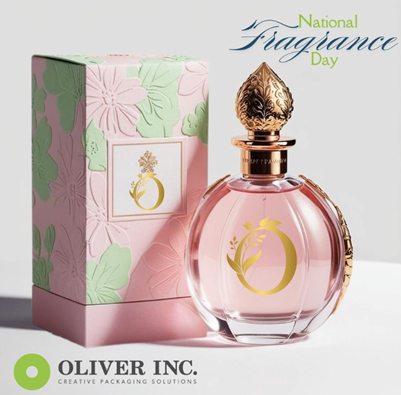
Luxury perfume packaging succeeds through layering. Customers notice several details at once, even if they cannot fully explain why the product feels expensive in their hands.
Weight matters immediately. Thick, rigid construction creates a stronger perception of quality than thin, lightweight cartons. Soft-touch coatings create a tactile finish people instinctively associate with prestige products. Metallic inks catch the light beautifully in retail environments. Spot UV coatings highlight logos and typography without overwhelming the overall design.
Many perfume brands also request decorative upgrades like:
Embossing and debossing
- Foil stamping
- Holographic accents
- Textured paper wraps
- Magnetic closures
- Satin ribbon pulls
- Window cutouts
- Velvet inserts
- Specialty coatings
- Custom molded interiors
These additions strengthen the emotional experience attached to the fragrance itself. Perfume purchasing often feels ceremonial, especially for gifts, milestone purchases, or luxury collections. The packaging becomes part of that memory.
Custom cosmetic packaging also allows brands to create stronger shelf distinction in a crowded category. Fragrance aisles contain dozens of competing products, each just inches apart. Distinct structural designs and refined finishes help certain products stand out immediately.
Windowing, as shown in the reference screenshots, remains particularly effective for perfume gift sets because customers can see the bottles without opening the box. That visibility creates trust while still preserving presentation quality.
Cosmetic Packaging Mistakes That Hurt Perfume Brands Fast
Some of the biggest mistakes in cosmetic packaging design occur when brands focus entirely on aesthetics without considering functionality, shipping durability, or customer behavior.
Fragile construction creates major fulfillment challenges for perfume packaging because fragrance bottles are heavy, breakable, and pressure-sensitive. Weak corners, poor inserts, and insufficient cushioning often cause bottles to shatter during transit. Customers remember damaged deliveries far longer than successful ones.
Oversized packaging creates another issue. Large empty spaces inside perfume boxes can make products feel less premium while unnecessarily increasing shipping costs. Customers notice when packaging feels wasteful or disproportionate to the product inside.
Typography mistakes also appear frequently in cosmetic packaging design. Hard-to-read fonts, low contrast printing, cluttered layouts, and excessive decorative elements make products feel confusing rather than luxurious. High-end packaging usually relies on restraint, spacing, balance, and consistency.
Many brands also underestimate the importance of tactile experience. Smooth opening mechanisms, secure closures, soft finishes, and stable inserts all influence how customers respond emotionally during unboxing.
Primary cosmetic packaging deserves equal attention here. The outer carton matters a great deal, but the bottle itself retains the fragrance identity over the long term. Atomizer quality, cap weight, glass clarity, label durability, and bottle ergonomics all shape customer perception after purchase.
Perfume brands that overlook these details often struggle with customer retention because fragrance buyers tend to remember presentation very clearly. Beauty products thrive heavily on emotion, ritual, and sensory experience.
Cosmetic Packaging Trends That Keep Perfume Collections Looking Current
Perfume packaging trends continue moving toward refined simplicity paired with strategic finishing details. Customers increasingly prefer packaging that feels intentional rather than overloaded with decoration.
Muted palettes, layered textures, soft matte surfaces, monochromatic branding, and tactile paper finishes currently dominate many prestige fragrance launches. Minimal layouts paired with one strong decorative element often create a more memorable presentation than excessive graphics.
Gift-ready presentation also continues to drive packaging decisions, as fragrance remains one of the most-gifted beauty categories worldwide. Structured boxes, coordinated inserts, and high-end finishing details help products feel ready for birthdays, holidays, anniversaries, and luxury gifting occasions immediately upon arrival.
Many brands also invest heavily in custom cosmetic packaging because online fragrance sales continue growing rapidly. eCommerce photography relies heavily on visual presentation, which means packaging must look attractive from every angle on digital storefronts, social media posts, and influencer content.
That visual consistency strengthens brand recognition over time. Customers begin associating certain finishes, colors, structures, and materials with specific fragrance houses. Strong cosmetic packaging creates familiarity before the fragrance even enters the conversation.
Perfume has always carried emotion, identity, and memory inside the bottle. Thoughtful cosmetic packaging gives customers a reason to feel connected to the fragrance before the first spray touches their skin.