Custom Medical Packaging Built for 3 a.m., Arthritic Hands, and Second Languages
Posted by Oliver Inc. on 2nd Sep 2026
Packaging has always been last on the list. Design the drug, clear regulatory review, then figure out the box. Custom medical packaging has spent decades shaped by that sequence, and patients have felt it. A cap that arthritis makes impossible to open. A blister pack requiring more strength than they had that morning. A label in print too small to read without hunting for glasses. Individually, these feel like minor complaints. Across millions of daily medication routines, they become a documented public health problem. The industry is finally being forced to account for the person it was supposed to serve all along.
Did Custom Medical Packaging Ever Actually Think About the Patient?
The honest answer is: not always. For most of its history, packaging for medical products prioritized protection, shelf life, and regulatory compliance.
Sterile medical packaging has to maintain barrier integrity, and that's not a standard anyone works around. A lot rides on that single requirement, from material selection to sealing validation.
Medical device packaging solutions have their own version of this: they have to survive supply chain handling without compromising what's inside. But somewhere along the way, the industry convinced itself that clinical responsibility started at the product and stopped at the box.
Patients didn't file complaints. Instead, they changed their behavior and skipped doses when packaging confuses them, avoid refills when the experience feels intimidating, and split medications with family members when the instructions aren't clear enough to follow on their own. Custom medical packaging that ignores these realities doesn't just fail the patient. It fails the drug.
Deloitte's research at Pharmapack 2026 found that 50% of people in developed countries now wear connected health devices. These aren't passive patients. They track their own numbers, question their treatment plans, and expect every tool in their healthcare to work as hard as they do, packaging included. Deloitte called them the "CEO of their health," and packaging that doesn't account for that is already out of step.
Can Custom Medical Packaging Actually Move the Needle on Adherence?
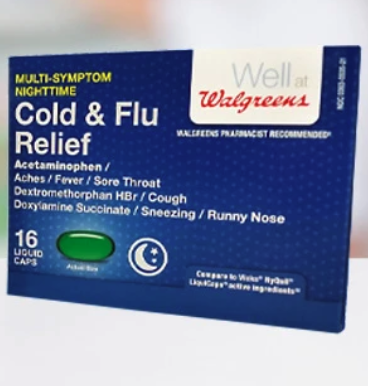
Yes, and the evidence is more concrete than most people expect. Studies show that packaging modifications for older adults alone can increase medication adherence rates by up to 25%.
A meta-analysis found that multi-compartment formats, including day-night designs and segmented pill organizers common in blister card packaging in pharmaceutical supply chains, consistently improve adherence across patient populations. That's a meaningful number, not a rounding error.
Some industry analysts have argued that improving adherence through custom medical packaging "can have a greater impact on population health than advances in specific medical treatments." It's a significant claim, and it holds up when you consider what non-adherence actually costs: thousands of avoidable hospitalizations every year and a multi-billion dollar burden on healthcare systems globally.
If your packaging directly reduces that rate, there's a clear, documentable return on the investment. The design implications are practical and well within reach. Day-night blister configurations help patients distinguish morning from evening doses without re-reading the label each time.
Large-print labels and tactile closure indicators make a real difference for patients with low vision or limited hand strength. These aren't expensive flourishes. They're engineering decisions that need to happen at the start of the design process, not as an afterthought. We've seen what changes when they do, and the difference shows up in outcomes.
When Fear Walks Into the Pharmacy
Not every patient who picks up a prescription feels confident about what they're doing. Medical packaging for scared patients is a real design consideration, one the industry rarely acknowledges directly but constantly encounters.
- A person newly diagnosed with a chronic condition who has never self-injected before doesn't need packaging built for a warehouse floor.
- A caregiver filling a prescription for an aging parent who doesn't read the language on the label needs instructions that communicate across that barrier.
- A teenager managing a new diagnosis without a clear adult to walk them through it needs something that doesn't feel institutional and cold. For all of them, the package either builds trust or compounds anxiety.
Inclusive design addresses this directly. Experts from SHL Medical and Ensera Design have made the case that good packaging starts with deep research into the specific disease population, not assumptions.
- For at-home biologic users, self-injection packaging needs intuitive step-by-step indicators and features that genuinely reduce pain perception during use.
- For pediatric patients, child-resistant closures can't require so much force that a tired caregiver gives up and leaves the cap off.
Biocompatible packaging materials that meet sterility requirements without looking cold or clinical can change how patients perceive what they're taking. Aesthetics carry real clinical weight in that context.
Healthcare packaging innovation is pushing toward personalization, and the early signals are clear. Researchers point toward packaging that draws from individual patient data, such as individualized dosing schedules printed directly on the pack or smart labels that sync with a health app. The infrastructure isn't fully there yet, but we're already thinking about what our clients will need when it is.
Your Custom Medical Packaging Is Already Saying Something. The Question Is What.
Every package that leaves a facility tells a patient something about the company that made it. It tells them whether they were considered in the design process, whether anyone involved thought about what it's like to open this on a difficult morning or read these instructions in a second language. Custom pharma packaging built around manufacturing efficiency or minimum compliance requirements sends a message, even when that wasn't the intent. Patients feel it, even when they can't articulate it.
Custom medical packaging designed for clarity and confidence sends a different message. It says the medication was made with care, and so was everything around it.
Packaging defines your brand in ways that marketing copy can't override. A well-designed outer panel paired with instructions no arthritic adult can follow defeats itself. A child-resistant closure that frustrates every right user protects no one.
Medical packaging in modern healthcare carries more weight than it ever has. Patients are better informed, more engaged, and more willing to change providers when something feels wrong.
The expectation is already well past where the industry's default lands. We build packaging for medical products with all of that in mind, because the data is clear, the clinical stakes are real, and there's no longer a good argument for doing it any other way. If you're ready to rethink what your packaging communicates to the people it serves, we're ready to start that conversation.