What Your Custom Folding Boxes Say Before Anyone Opens Them
Posted by Oliver Inc. on 27th Jul 2026
Most buyers don't think about packaging until something breaks. A carton that collapses mid-transit, a print run that comes back two shades off from the approved proof, a box your fulfillment crew can't keep pace with once order volumes pick up. Custom folding boxes sit at the intersection of brand perception, supply chain logistics, and mounting regulatory pressure, and the decisions you make early about specs and sourcing ripple further than most people anticipate. We work with brands across food, retail, and specialty goods categories, and the questions we hear most often go well past what's on the surface.
So What Does the Market Actually Want From Your Custom Folding Boxes?
The folding carton packaging market sits at roughly $161 billion in 2026 and is projected to reach $231 billion by 2035. That growth isn't happening in a vacuum. The EU's Packaging and Packaging Waste Regulation (PPWR), adopted earlier this year, set mandatory recyclability standards and 40% reuse targets by 2030. B2B buyers sourcing custom folding boxes for European markets are already fielding compliance questions from retail partners who weren't asking about this two years ago, and that pressure is spreading into North American sourcing conversations as well, particularly for brands with significant export volume.
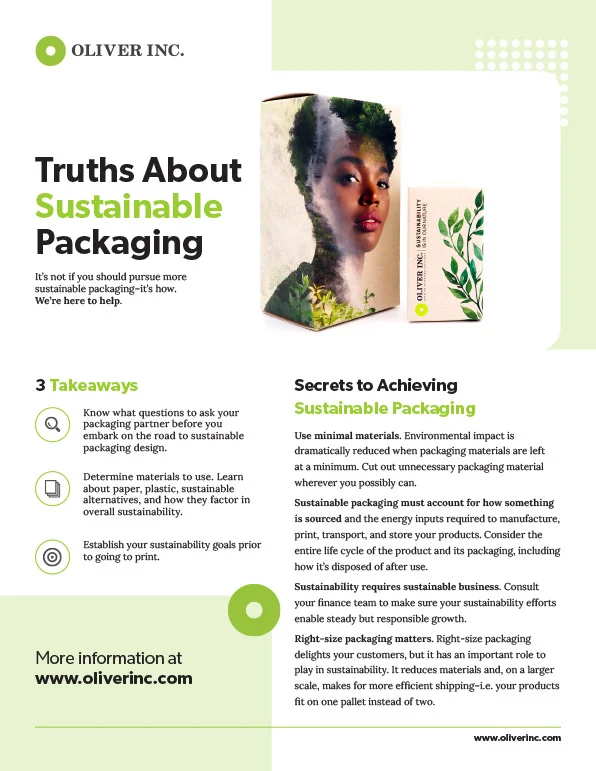
Paperboard cartons are replacing rigid plastic packaging in food and beverage, pharma, and personal care at a pace that's hard to overlook. Procurement teams are responding to retailer mandates and regulatory timelines they can't push back on. Eco-friendly folding boxes aren't a niche request anymore. They're the baseline expectation in most serious B2B sourcing conversations, and brands are prioritizing mono-material paperboard designs that recycle cleanly over composite formats that create recyclability problems at end of life.
The way brands order has changed too. Digital printing is taking 25 to 40 percent of folding carton SKUs in portfolios where speed and versioning matter. Seasonal variations, regional co-branded runs, and limited-edition retail formats are all driving demand for short-run custom printed boxes without the overhead of offset plate costs. For brands testing a new SKU or entering a new retail channel, that's a real opening to move faster without overcommitting.
What Goes Into Custom Folding Boxes That Actually Hold Up
There's a wide gap between a box that looks right in a digital mockup and one that performs in the real world. Structural integrity depends on board weight, score placement, and how the carton behaves during high-speed auto-erect runs on a fulfillment line. A folding box design that assembles beautifully by hand can create serious bottlenecks when it's running 400 units an hour. We factor automation compatibility in during the design phase, before the dieline is finalized, because retrofitting it after the fact costs significantly more than building it right the first time.
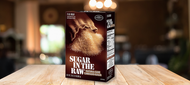
Custom folding boxes used in food applications carry additional technical requirements. Folding boxes support food packaging through specific board grades, food-safe coatings, and moisture barriers that standard retail cartons don't include. Custom folding cartons in the food and beverage industry also need to account for regulatory labeling requirements and the temperature and humidity variations that happen throughout a standard distribution cycle. Getting those specs wrong doesn't just affect appearance; it creates compliance exposure.
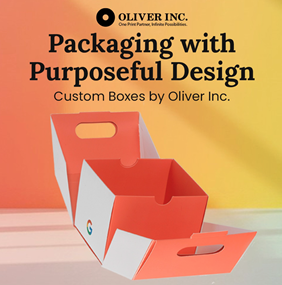
Die-cut packaging opens up geometry options that standard tuck-end formats don't offer. Window cutouts, custom lock bottoms, integrated display tabs, angled closures, hanging slots. The tooling investment runs higher upfront, but for product packaging solutions that need to double as shelf-display units or ship retail-ready, the per-unit economics work out faster than most brands expect. Custom retail boxes built with display structure let buyers cut handling steps between warehouse and shelf, and in high-volume B2B relationships, that operational saving compounds quickly.
Enhanced carton finishings are where a lot of brands leave real value behind. Soft-touch laminate, tactile spot UV, foil stamp, matte and gloss contrast on the same panel, textured stocks that invite touch. These aren't extras that get cut when budgets get serious. They're what makes someone pick your product up in a retail environment, and what separates bespoke packaging from something that reads like a commodity stock box. Getting it right requires close work with packaging design services that understand coating compatibility and substrate behavior, because not every finish bonds the same way on every board grade, and discovering that after production is expensive.
Where Sourcing Custom Folding Boxes Goes Wrong (And Why It's Usually Predictable)
Dieline confusion comes up constantly. A brand submits a file built for the wrong carton style, or dimensions get misread during the conversion from flat artwork to 3D form, and the first sign something is off is a physical sample that arrives two weeks later looking nothing like the approved proof. We walk clients through dieline setup before a file goes to prepress, because catching it there costs nothing. Catching errors after plates are made costs real money and time that nobody can afford to lose.
MOQs create friction in B2B packaging sourcing more than almost anything else. Manufacturer minimums are built around production efficiency, not your inventory reality or how a new SKU is actually performing. Brands testing new formats often end up over-ordering or abandoning jobs they actually need to complete. Clear, all-in pricing matters just as much. Quotes that surface setup fees, coating costs, and freight only at the final stage don't give you an accurate picture of what you're committing to until it's too late to adjust your order specs.
Reorder consistency is something brands underestimate until the second run shows up and color drift is visible on the shelf next to the first batch. Minor variations in board weight or gloss level that seem manageable in isolation start to show up clearly when product from two different production windows sits side by side. Without proper file archiving and clear supplier communication protocols, those variations compound across an entire product line and end up costing more to address than preventing them would have.
Getting Custom Folding Boxes Right From the First Order
Request physical samples before you commit to any meaningful volume. A digital proof tells you about artwork and layout. A physical sample tells you about structure, closure feel, and how the carton actually handles under real conditions. That tactile information changes decisions about board weight, finish selection, and assembly complexity, and any supplier worth working with makes samples available without hesitation.
Ask specifically about automation compatibility, food-safe certifications if they're relevant to your category, and how they handle color matching on reorders. Those three questions reveal more about actual production capabilities than any product catalog. Custom folding boxes that solve real business problems aren't built from templates. They start with a clear understanding of what your product needs, what your supply chain requires, and what your customer is going to feel when they hold the finished package in their hands, and that conversation is worth having before a single spec is locked.