How Emerging Brands Use Specialty Packaging to Win Shelf Space, Press, and Buyers
Posted by Oliver Inc. on 7th Aug 2026
When you picture specialty packaging, your mind probably goes somewhere like Google's elaborate holiday gift boxes or the hexagonal prism Oribe uses to make its shampoo look like a collector's item. Those examples are real and impressive. They're also a little misleading, because they give the impression that this kind of packaging requires a tech giant's budget or an established luxury brand's infrastructure. It doesn't. For emerging brands, specialty packaging isn't a splurge. It's often the only tool that puts them on equal footing with companies that have decades of name recognition and millions in annual marketing spend.
What Specialty Packaging Actually Does in the Three Seconds That Count
Research consistently shows that between 73 and 85 percent of purchase decisions happen at the point of sale. Shoppers aren't deliberating for long. They're scanning, and something either stops them or it doesn't. For an established brand, name recognition does some of that stopping. Shoppers already know the product, have maybe bought it before, and can reach for it out of habit.
An emerging brand doesn't get that. The specialty packaging on the shelf has to do the entire job: catch the eye, communicate quality, and earn the pick-up, all before the shopper has read a single word. That's a significant ask of a folding carton or setup box, but it's also why product packaging design decisions matter so much earlier in a brand's life than most founders expect. A striking visual, a tactile laminate, an unusual structure: none of these are decorative choices. They're the thing standing between your product and getting passed over in a category full of options that have been sitting on those shelves for years.
How Specialty Packaging Signals to Retail Buyers Before You Say a Word
There's a misconception that getting into retail is about the product itself: its formulation, its price point, its story. Those things matter, but buyers evaluate them through packaging first. According to RangeMe, independent retail buyers treat packaging as a silent salesperson. Clarity, credibility, and shelf presence factor into whether a buyer believes an emerging brand is ready for their store. Generic packaging, regardless of what's inside, signals that a brand hasn't done the work.
Specialty packaging tells a different story to the buyer sitting across the table from you. The custom packaging solutions you choose signal that you understand your category and can deliver a consistent presentation at scale. Luxury packaging finishes like foil stamping, spot UV, and tactile coatings communicate that quality runs through every dimension of the brand, and protective packaging that keeps products intact through transit tells a buyer they won't be managing damage claims down the line. Eco-friendly packaging built around recycled or sustainably sourced packaging materials shows that the brand has thought through more than margins.
Buyers aren't just evaluating products. They're evaluating whether bringing you in creates more work for them or less. Strong brand packaging is what tells them the answer is less.
The Press Angle Most Small Brands Don't Know They're Missing
There's a path from packaging to press that most small brands don't think about until after the fact. Journalists and editors covering CPG, retail trends, and consumer products are always looking for brands that look and feel like a story. Remarkable product packaging design gives them one.
One CPG brand, documented in an Avaans Media case study, used packaging design as a core part of a PR campaign and earned coverage in business and lifestyle publications. That coverage then opened distribution conversations that hadn't been possible before. The packaging wasn't incidental to the press. It gave journalists something concrete and visual to point to.
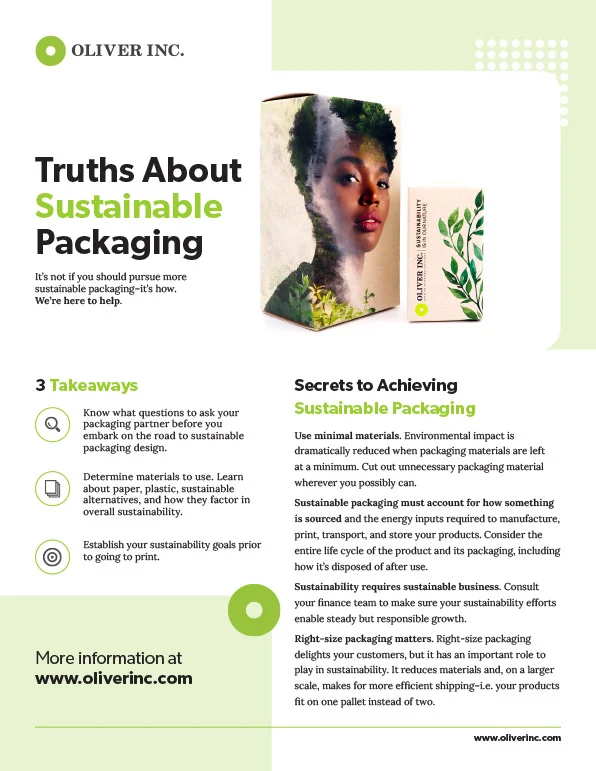
Sustainable packaging has made this even more pronounced. Brands that build their packaging around genuine environmental commitments, including post-consumer recycled paper, FSC-certified board, and hemp-based fillers, give writers a specific, verifiable angle. Innocent Drinks built its following on playful, honest product packaging with an overt commitment to natural ingredients and eco-friendly packaging, and grew a loyal base before it had the marketing spend to compete with category leaders. Method did something similar with structure. The brand's curvy, modern soap bottles were so visually distinct from anything else on the shelf that the packaging itself became a story, one the brand has credited as central to its growth from niche startup to household name.
When the packaging looks like something worth talking about, people talk about it.
What Getting Specialty Packaging Right Actually Looks Like for a Small Brand
Small brands don't need to produce an elaborate kit with pop-up elements, postcards, and sticker sheets to make this work. The question to ask isn't how elaborate the packaging can get, but what it needs to communicate and what's the most direct way to get there.
We work with brands at all stages. Some are early enough that they're still working out their core customer. Others are ready to make their first push into retail. The conversation usually starts the same way: they've been using a stock box or a generic structure, and they've hit a wall they can't explain. The product is good. The price is right. Something isn't landing.
The gap is almost always in how the packaging is presenting the brand. Fixing that is exactly where specialty packaging earns its place. Not because it solves everything, but because it's the area where a small brand can look, feel, and present like a much more established one: to the shopper, to the buyer, and to the press, without needing the infrastructure those bigger brands have spent years building.
If you're at that ceiling and you're not sure where the gap is, start by asking what your specialty packaging communicates before anyone reads the label. The answer usually tells you exactly where to begin.