Designing Printed Marketing Collateral for 2026
Posted by Oliver Inc. on 2nd Jun 2026
Marketing teams are producing more content than ever and getting less time to make an impression.
Campaign calendars fill up. Ad budgets stretch across platforms. AI tools generate copy in seconds. Customers scroll past dozens of promotions before breakfast and clear inboxes without opening half of what lands there. At some point, many teams start asking the same question: if everything became easier to produce, why does getting noticed feel harder?
That pressure explains why physical marketing continues to hold value in 2026.
Printed pieces create a different kind of interaction because people handle them differently. They revisit them during meetings, leave them on desks, bring them home, pass them to colleagues, and return to them when they are ready to act. The strongest brands are leaning into that behavior and designing printed marketing collateral with the same precision they apply to digital campaigns.
Today, effective print combines strong design, audience insights, personalization, and production methods that make every piece feel intentional.
Start With Relevance Before You Start Designing
Good print design starts before colors, layouts, or finishes.
The biggest mistake teams make is designing one version of a campaign and sending it to everyone. Modern audiences expect communication that reflects where they are, what they care about, and why they should pay attention.
That’s why variable data printing continues gaining momentum.
Variable data printing allows businesses to personalize text, imagery, offers, QR codes, contact information, and messaging while producing materials at scale. The framework stays consistent while the content adapts to the audience.
That creates stronger engagement and makes custom print marketing feel more thoughtful.
A regional sales team can receive localized presentation folders. Existing customers can receive product recommendations inside catalogs. Event attendees can receive personalized follow-up mailers. Prospects can receive industry-specific messaging.
Designing for personalization means building flexible layouts. Leave room for changing content, create a hierarchy that guides attention naturally, and keep variable elements visually connected to the overall brand.
Build Booklets and Catalogs for Browsing Behavior
People browse differently in print than they do online.
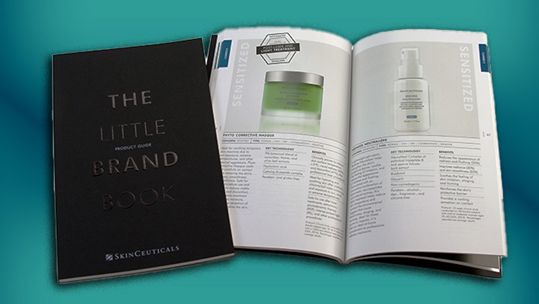
A printed booklet or catalog invites slower decision-making because readers can compare pages, revisit information, and absorb details without being interrupted by notifications.
That opportunity changes how teams should approach design.
Use shorter content blocks, stronger navigation, visible section breaks, and product groupings that feel curated rather than exhaustive. Add QR codes where additional information makes sense, rather than trying to fit everything onto the page.
Catalogs also benefit from print-on-demand production because inventory changes, seasonal campaigns, and regional offers move quickly.
When paired with variable data printing, catalogs become highly relevant. Customers can receive assortments tailored to their purchase history, geography, business type, or product interests.
Design Brochures and Business Cards for Conversations That Continue Later
Brochures and business cards still succeed because they support moments where people are already engaged.
Someone attends a meeting. Visits a trade show. Walks into a showroom. Meets a representative.
That interaction creates attention. The printed piece extends it.
Strong marketing materials design keeps brochures focused and easy to revisit later. Dense layouts create fatigue. Too many competing messages weaken recall.
For stronger brochures and flyers printing, prioritize:
- one primary objective per piece
- visual hierarchy that supports scanning
- concise copy
- QR codes with a clear destination
- contact information that feels easy to use
Business cards continue evolving, too. Personalized URLs, dynamic QR codes, appointment-booking links, and segmented follow-up experiences make small-print formats work harder.
AI can accelerate concept generation and audience research, but human editing still determines whether the final piece feels useful.
Turn Presentation Folders and Marketing Kits Into Decision Tools
Presentation folders remain one of the strongest formats for organizing information.
That matters because customers rarely make decisions based on a single document.
Folders create structure for proposals, sales materials, onboarding packets, healthcare information, conference assets, and account presentations.
Personalization improves performance here.
Teams now use folders that include:
- recipient-specific inserts
- customized messaging
- localized materials
- proposal versions
- account summaries
Marketing kits extend this idea further.
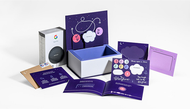
A kit may combine brochures, presentation folders, business cards, instruction sheets, direct mail inserts, and supporting materials into one experience.
These formats continue to perform well because they support deeper conversations and give recipients something practical to reference after the meeting ends.
Make Flyers and Direct Mail Feel Timely and Useful
Flyers remain valuable because they are flexible, affordable, and fast to distribute.
What changed is how businesses target them.
Modern campaigns rely on customer segmentation, geography, buying behavior, event timing, and campaign goals to guide distribution.
That allows flyers to support more focused targeted marketing campaigns.
Direct mail follows the same principle.
Good personalized direct mail does not overwhelm people with information. It delivers one relevant message with a clear next step.
Examples include:
- appointment reminders
- renewal campaigns
- local promotions
- membership outreach
- event invitations
- abandoned inquiry follow-ups
Brands also combine direct mail with QR codes, landing pages, and tracking systems to measure engagement and connect print with digital reporting.
Those practices continue to strengthen modern direct marketing strategies.
Give Instruction Sheets More Attention Than They Usually Get
Instruction sheets rarely become the centerpiece of campaign discussions, yet they immediately influence the customer experience after purchase.
Confusing instructions create friction. Clear instructions build confidence.
Design instruction sheets for usability first.
Use:
- readable typography
- organized steps
- visual spacing
- product-specific references
- QR access to video support
- regional compliance information
Personalization also improves usability.
A customer who receives instructions aligned to their exact product configuration spends less time searching for answers and more time using what they purchased.
That experience strengthens trust long after the initial transaction.
Use AI to Improve Decisions and Let Print Deliver the Experience
AI changed campaign planning permanently.
Teams use it to organize customer segments, analyze behavior, predict response patterns, accelerate testing, and support production workflows.
Those improvements continue to expand the possibilities for digital printing solutions.
Strong print campaigns still depend on human judgment.
Teams decide what deserves attention. Designers create hierarchy. Print specialists determine finishes, formats, paper choices, and production methods.
Technology supports execution.
Good design creates the experience.
Printed Marketing Collateral Still Creates Space for Better Decisions
Digital channels continue moving faster every year, which makes attention harder to earn and easier to lose.
Printed experiences create room for people to pause, compare information, revisit ideas, and continue conversations after screens close.
That opportunity becomes even stronger when personalization, audience data, thoughtful layouts, and measurable campaign planning work together. Businesses that invest in relevant messaging and intentional design continue finding new ways to make printed marketing collateral feel timely, useful, and memorable in 2026 and beyond.