Cosmetic Packaging That Makes Customers Trust Your Product Before They Even Try It
Posted by Oliver Inc. on 19th May 2026
A customer picks up your product for 3 seconds before deciding whether it's worth the price. That’s the reality sitting on retail shelves right now. Clean beauty founders spend years refining ingredients, testing formulas, and building their brands, only to lose trust instantly because the cosmetic packaging feels flimsy in someone’s hands.
People notice weak walls. They notice weak closures. They notice when a box dents before it even leaves the shelf. In skincare, especially, customers connect structure with performance. If the outside feels careless, they assume the formula inside performs the same way.
That pressure keeps growing as beauty shelves become more crowded, sustainability standards tighten, and customers become far more selective about where they spend money. Cosmetic packaging now carries part of the product’s credibility long before the first pump, swipe, or application happens.
Cosmetic Packaging That Feels Bland Hurts Trust Fast
Beauty shoppers scan shelves quickly, comparing shape, finish, weight, and presentation before they even read the ingredients, especially in skincare, where customers already associate packaging with trust, hygiene, and performance. Research from the Journal of Consumer Psychology found that people judge product quality through external cues before using the product itself.
That explains why structured cosmetic packaging performs better in premium beauty spaces. Heavier builds feel stable. Clean edges feel intentional. Strong closures create confidence.
Customers rarely say this out loud, but they think it immediately:
“If the packaging feels this good, the product probably works.”
Now compare that feeling to thin folding cartons that crease easily or plastic cosmetic containers that scratch after minimal handling. The formula inside may still perform well, but perception already took damage.
That problem gets expensive for brands.
A weak first impression lowers perceived value, creates hesitation at checkout, and makes customers less likely to share the product online because people gravitate toward packaging that still looks polished both on camera and in real life.
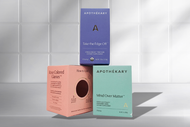
Luxury cosmetic packaging helps address that with a strong structure, since rigid boxes hold their shape, stack cleanly on shelves, and arrive looking unworn before the customer even opens them.
And once customers trust what they see, they become more willing to trust what touches their skin.
Cosmetic Packaging That Holds Up Creates Stronger Shelf Presence
Retail shelves punish brands that disappear visually. Let me explain why.
Minimal branding still works, but structure now matters more than ever because customers interact physically with products before making decisions. Cosmetic packaging creates shelf presence through depth, proportion, texture, and durability.
That’s where rigid formats start separating serious brands from forgettable ones.
Fluted boxes help with durability during transport and display, especially for larger product kits. Folding cartons work for lighter applications and secondary packaging. Blister card packaging supports hanging retail displays for smaller beauty accessories. Each format serves a purpose, but rigid boxes continue dominating premium skincare because they feel reliable in the customer’s hands.
That feeling matters.
Research from Ipsos shows that packaging design heavily influences purchasing decisions. Customers often reach for products that feel substantial because structure signals care, investment, and consistency.
Midway through the buying process, cosmetic packaging becomes physical proof of quality as customers test the weight, closure, and finish under store lighting, using those details to decide whether the product feels trustworthy.
Glass cosmetic packaging performs well in clean beauty because customers associate it with purity, freshness, and formula stability, and its polished appearance photographs naturally for skincare routines, unboxing, and influencer content, where packaging becomes part of the visual experience itself. Strong presentation keeps the brand visible far beyond the shelf.
Cosmetic Packaging That Supports Sustainability Builds Brand Loyalty
Customers notice waste fast now, especially excess plastic, overbuilt designs, and weak materials that make products feel disposable. That pressure pushes brands to find sustainable cosmetic packaging that still feels premium, which makes smarter material sourcing far more important.
Oliver helps brands reduce unnecessary plastic usage, choose FSC®-certified paperboard, use vegetable-based inks, and create eco-forward designs built for recyclability. Those decisions shape how customers feel about your brand after purchase.
Eco-friendly beauty packaging also performs better in the long term because customers increasingly keep and reuse well-constructed boxes rather than throwing them away immediately.
That retention creates ongoing visibility.
A skincare customer may reuse rigid boxes for cotton pads, jewelry, makeup storage, or travel organization months after the product runs out. Your branding stays present in their daily routine.
Many customers now judge brands by packaging waste before they even look at formulas, which puts sustainable cosmetic packaging directly at the center of both brand perception and purchasing decisions. Smart business owners understand that sustainability needs to feel intentional because customers notice forced or inconsistent messaging immediately.
The structure has to feel intentional from the start.
Cosmetic Packaging That Looks Good Online Still Needs Real Structural Precision
A lot of beauty brands design for Instagram first. That creates problems fast.
Good lighting hides weak structure online. Customers eventually experience the product in real life, where flaws become obvious. Loose inserts, dented corners, weak closures, and scratched surfaces break trust almost immediately.
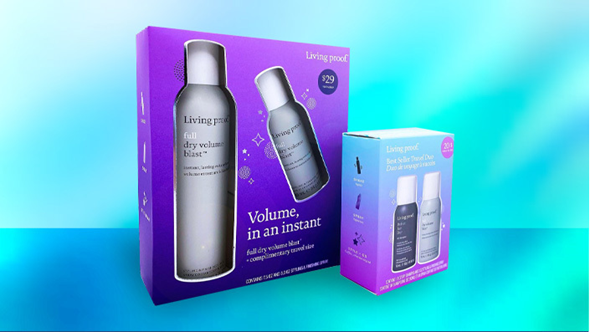
Custom cosmetic packaging helps brands avoid those issues by allowing tighter control over sizing, inserts, materials, finishes, and product protection.
That precision becomes critical in clean beauty, where formulas often cost more to produce, and customers expect higher standards overall.
Cosmetic packaging suppliers who understand beauty manufacturing know that presentation and protection work together. A strong structure protects the formula during transport while keeping the product visually consistent from warehouse to shelf.
Stock packaging options work for some brands entering the market quickly, but they often limit differentiation. Multiple brands may use the same templates, shapes, or finishes. That creates sameness on shelves where attention already feels limited.
Custom builds create stronger brand recognition, while durable, rigid formats with recyclable paperboard help clean beauty companies reduce waste, avoid damaged replacements, and deliver a cleaner, more reliable customer experience than thin plastic packaging.
If you don't already know this, reliability drives repeat purchases.
Cosmetic Packaging That Customers Keep Keeps Your Brand Working Longer
Packaging stays in people’s homes longer than most advertisements stay in their memory.
Research from Smithers shows that packaging keeps brands in front of customers because people continue interacting with it long after purchase.
That changes how smart beauty brands approach presentation.
They stop treating packaging like disposable wrapping. They treat it like part of the customer experience itself.
Luxury cosmetic packaging often stays on countertops and vanities because customers enjoy displaying products that feel polished, durable, and intentional, giving brands daily visibility that lasts far longer than a paid ad.