Why a Blister Box Is Great for Small Products That Have to Sell Themselves on a Peg Hook
Posted by Oliver Inc. on 21st Oct 2026
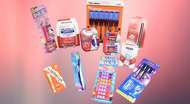
A blister box helps a small product stand out on a crowded peg wall. A phone cable, a lash curler, or a pack of drill bits hangs next to dozens of competing SKUs, and the shopper decides in a few seconds which one to pick up. The clear blister shows the item, the printed card carries your message, and the sealed structure keeps everything on the hook. Here's how each part of the package does its job for a small product.
See Why a Blister Box Works for Small Products
Small products give you very little surface to work with. A nail clipper can't carry a logo, a claim, a barcode, and directions on its own, and a charging cable coiled inside a printed box looks like every other charging cable on the wall.
Blister card packaging pairs a clear thermoformed blister with a printed paperboard card, so the shopper sees the actual product and reads your message on the card behind it. If your product runs heavy or needs a premium unboxing, our comparison of blister, carton, and clamshell formats covers where a carton makes more sense. For anything that fits in your palm, a blister box is usually the right fit for the peg wall.
Show the Product So Shoppers Don't Have to Guess
With a box photo, the shopper has to take your word for what's inside. A blister box lets them check the color of a hair clip, the length of a cable, or the tip shape on a set of screwdriver bits before they buy. Product visibility packaging lets shoppers check the item before they move on to the next hook.
Size the blister close to the product. Extra empty plastic makes a small item look even smaller, and a snug cavity keeps it from sliding to the bottom of the dome where nobody can see it.
Use the Card Space for Brand, Claims, and Barcode
On a blister box, the card carries the information your product is too small to hold. Put your logo and one claim on the front, the one that sets you apart, such as "braided cable, 6 ft" or "fits 1/4 inch hex drivers." Save the back for compatibility lists, specs, directions, warnings, and the barcode.
Keep the barcode on open card space, away from the blister. Plastic over a barcode can throw off the scanner at checkout. Custom blister packaging gives you the whole card to print, so you can carry your brand colors, fonts, and finishes onto the peg wall and keep them consistent with the rest of your consumer goods packaging.
Match the Hang Hole to the Store's Fixtures
The hang hole decides whether your card faces forward or twists sideways on the hook. Most cards use one of two styles: a round hole or a slot, often called a euro slot or sombrero hole, which fits a wider range of peg hooks.
Many retailers publish vendor guides for retail packaging that spell out the hole style and where it sits on the card. Check that guide before you lock the dieline, your card's cutting template, for your blister box.
Center the hole over the product's center of gravity. A heavy item sitting low on one side tilts the card, and a tilted card hides your brand name from the aisle. Heavier products need a thicker card so the hole doesn't tear.
Keep Products Sealed and in the Right Spot
Shoppers pull loose and bagged items off the hook, open them for a closer look, and leave them on the wrong peg. That throws off the store's shelf layout and costs staff time.
A sealed blister box stops that. In a face seal format, the flat plastic edge around the blister bonds to a coating on the front of the card that melts and grips under heat. In a trapped format, the blister sits between two cards, and nobody gets the product out without tearing the card apart. Both formats work as tamper evident packaging, because any attempt to open the pack shows.
A secure pack also helps you stay on the open shelf. The National Retail Federation's 2025 theft study lists merchandise protection, including locking cases, among the measures retailers increased most.
A Kearney survey found that almost a third of shoppers say locked products hurt their view of a store. A product that's hard to open in the aisle gives the retailer one less reason to put it behind glass, and a card that holds up from the warehouse to the shelf arrives ready to hang.
Plan Your First Blister Box Around the Peg Wall
Size the card for the wall as well as the product. Stand in the aisle where you'll sell, or ask your buyer for the planogram, and note how wide the neighboring cards run. A card cut to fit a 2 inch tool disappears next to 5 inch competitors, so make the card big enough to stay visible next to them.
Pick your packaging materials with the same care: a paperboard card heavy enough to hang flat, and for eco friendly blister packaging, an FSC certified card with a PET blister instead of PVC.
Before you approve the run, hang a printed prototype on a real peg hook and look at it from six feet back. Match the card colors to your cartons and any counter or floor displays so all your packaging looks like it comes from the same brand.
Oliver, Inc., for example, prints blister cards alongside folding cartons and POP displays and holds G7 Master Qualification for color consistency across reprints. Get the card size, hang hole, seal, and print right on the first order, and your blister box will do the selling on the peg hook.